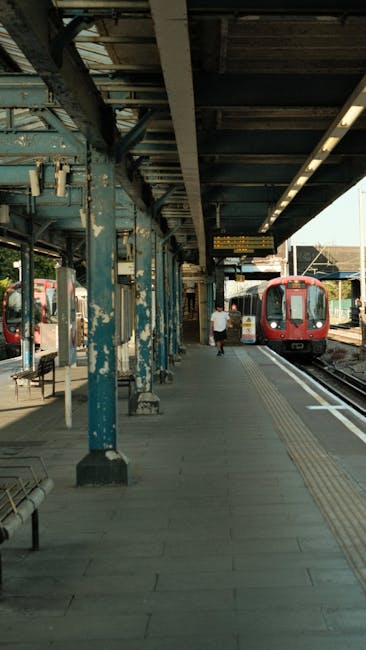
Kingston Station end of tenancy cleaning guide for flats KT1
If you are moving out of a flat near Kingston Station, the cleaning side of the tenancy can feel a bit relentless. One minute you are sorting boxes, the next you are staring at oven grease, skirting boards, and a bathroom that somehow needs a proper deep clean right when your energy is gone. This Kingston Station end of tenancy cleaning guide for flats KT1 is here to make that final stretch simpler, calmer, and far more manageable.
Whether you are handing back a studio, a riverside apartment, or a compact Victorian conversion in KT1, the goal is the same: leave the property in the condition your tenancy agreement expects, reduce the risk of deductions, and keep the handover as smooth as possible. That sounds straightforward. In practice, it usually isn't. Let's face it, a regular tidy-up and a true end of tenancy clean are not the same thing at all.
This guide walks you through the process from start to finish: what matters most, how the clean is usually tackled, which areas landlords and letting agents focus on, what to do yourself, when to bring in professional help, and how to avoid the mistakes that cause last-minute stress. You will also find a checklist, comparison table, and practical FAQs tailored to flats around Kingston Station.
Table of Contents
- Why Kingston Station end of tenancy cleaning guide for flats KT1 Matters
- How Kingston Station end of tenancy cleaning guide for flats KT1 Works
- Key Benefits and Practical Advantages
- Who This Is For and When It Makes Sense
- Step-by-Step Guidance
- Expert Tips for Better Results
- Common Mistakes to Avoid
- Tools, Resources and Recommendations
- Law, Compliance, Standards, or Best Practice
- Options, Methods, or Comparison Table
- Case Study or Real-World Example
- Practical Checklist
- Conclusion
- Frequently Asked Questions
Why Kingston Station end of tenancy cleaning guide for flats KT1 Matters
End of tenancy cleaning is one of those tasks that looks minor until you are the one doing it under time pressure. In KT1, where many people rent flats for work, study, or short-to-medium-term living, the turnaround can be tight. Trains are running, removals are booked, keys are due back, and suddenly the clean becomes the thing standing between you and a clean exit.
A proper move-out clean matters for three main reasons. First, it helps meet the standard expected by most tenancy agreements, which often require the property to be returned in a professionally cleaned condition. Second, it reduces the chance of awkward back-and-forth with the landlord or agent after you leave. Third, it simply makes the handover less fraught. Nobody wants to be called back because the hob still has baked-on residue or the bathroom mirror has streaks.
For flats near Kingston Station, there is also the practical reality of urban living. Smaller kitchens can collect grease quickly. Shared hallways, limited parking, and lift access can make equipment handling a bit fiddly. Dust from busy roads, foot traffic, and open windows can settle surprisingly fast too. The clean needs to be thorough, not flashy.
If you want to understand the wider service landscape first, the services overview is a useful place to start, and the dedicated end of tenancy cleaning in Kingston page gives you a service-level view of what is normally included.
How Kingston Station end of tenancy cleaning guide for flats KT1 Works
At its simplest, end of tenancy cleaning is a room-by-room deep clean designed to restore a flat to a presentable, move-out standard. But there is a method to it. A good clean is not just "wipe everything and hope for the best". It is a sequence: declutter, dust, degrease, descale, vacuum, mop, then inspect.
In a flat around Kingston Station, the process usually begins with the busiest areas first: kitchen and bathroom. Those spaces are the most likely to trigger deductions if they are neglected. After that, attention moves to floors, windows, internal glass, storage areas, fixtures, and detailed touchpoints like switches, handles, and skirting boards.
Professional cleaners normally work to a checklist, which helps ensure nothing is missed when the flat is empty and every smudge feels strangely visible. That empty-flat effect is real. Once furniture is gone, you notice marks you somehow never saw before. The scuff behind the radiator. The dusty top of a door frame. The oven seal that has not had a proper clean in months. A bit annoying, yes. Very normal.
For renters who need a broader cleaning option around move-out time, it can help to compare services with house cleaning in Kingston upon Thames or domestic cleaning in Kingston upon Thames, especially if the clean extends beyond a tenancy handover.
Key Benefits and Practical Advantages
The obvious benefit is a cleaner flat. The less obvious benefit is peace of mind. When the inventory clerk arrives or the final inspection is done, you want confidence that you have done enough. That confidence matters more than people admit.
Here are the practical advantages of a proper end of tenancy clean for a KT1 flat:
- Lower risk of deposit disputes because the main cleaning expectations have been met.
- Better presentation at check-out, especially in high-turnover rental blocks.
- Less stress during moving day, since one major task has been handled in an orderly way.
- More efficient use of time if you split the work into rooms and stages instead of trying to do everything at once.
- Better results in key areas like kitchens, bathrooms, and carpets, where regular cleaning often falls short.
There is also a time-saving angle. If you are trying to juggle a removal van, final meter readings, and key return, cleaning can easily spill into the evening. A planned approach keeps that from happening. The difference between "nearly done" and "done properly" is often just structure.
For readers comparing service options and value, it may also help to look at pricing and quotes before you decide whether to do it yourself or outsource the job.
Who This Is For and When It Makes Sense
This guide is mainly for renters in flats near Kingston Station, but it is useful for a wider group too. To be fair, end of tenancy cleaning is not only for the person with the lease in their name. It is for anyone whose move-out depends on the property being left in a professionally acceptable state.
You will find this especially useful if you are:
- leaving a studio flat or one-bedroom apartment in KT1
- moving out of a shared flat and responsible for your own room plus common areas
- preparing for a landlord inspection or check-out inventory
- short on time because your moving date and handover date are close together
- trying to reduce the risk of cleaning-related deductions
- moving from a rental into another property and want a cleaner, calmer exit
It also makes sense if you are moving out in winter or during a damp spell. Kingston flats can pick up moisture-related smells more easily during colder months, especially in kitchens and bathrooms with limited ventilation. A careful clean and airing routine helps more than people expect.
If you are in the middle of broader property planning, the Kingston property sellers checklist can be a helpful companion read, even if you are renting rather than selling. The same general principle applies: presentation matters.
Step-by-Step Guidance
Here is a practical, non-dramatic way to handle the clean. No heroics needed. Just a steady sequence and a little discipline.
1. Check the tenancy agreement and inventory
Start by reading the cleaning clauses in your tenancy agreement and comparing them with the inventory or check-in report. This tells you what the property looked like when you moved in and what standard you will be measured against. If there were pre-existing marks, note them carefully. No need to clean away someone else's problem and then forget it existed.
2. Declutter before you clean
Remove all personal items first. That includes fridge contents, toiletries, bin bags, drawer items, and anything hidden in cupboards. A clean is much easier when surfaces are fully exposed. It also avoids the classic final-day panic of finding old chargers in a kitchen drawer while the keys are already in your hand.
3. Tackle the kitchen in layers
Kitchen cleaning should usually include the hob, extractor hood, splashbacks, oven, microwave, fridge, freezer, cupboards inside and out, sink, taps, and tiles. Grease takes more than a quick wipe, especially in a small flat. Use suitable degreasers and give products enough dwell time. Rushing is how streaks happen.
4. Deep clean the bathroom
Focus on limescale, soap residue, grouting, taps, shower screens, toilet areas, mirrors, and ventilation points. In many KT1 flats, hard-water marks are the main issue rather than major grime. A little patience and the right descaler usually goes further than brute force.
5. Dust from top to bottom
Work downwards: light fittings, shelves, doors, skirting boards, radiators, then floors. This keeps dust from falling onto already-cleaned areas. Simple, but easy to mess up when you are tired. We have all done it.
6. Clean floors properly
Vacuum carpets and rugs thoroughly, paying attention to corners, edges, and under furniture footprints. Mop hard floors with a suitable product for the material. If the flat includes carpeted rooms, a specialist clean may be needed if the carpet has stains, traffic lanes, or pet smells.
7. Finish with windows, glass, and touchpoints
Final checks should include internal windows, window sills, handles, switches, sockets, and any glass panels or mirrors. These small areas can make the whole property look better-or worse-very quickly.
If carpets need more than a standard vacuum, the local Kingston Bridge carpet cleaning guide for homes and shops is a useful supporting read for understanding why professional carpet cleaning is sometimes the smarter move.
Expert Tips for Better Results
A few small habits can make a huge difference. Nothing fancy. Just the kind of details that save time and awkward comments later.
- Clean in daylight where possible. Morning light around Kingston Station often shows marks more honestly than artificial light does.
- Use a top-to-bottom order. It prevents rework and keeps dust from settling back onto finished areas.
- Let products sit for the recommended time. Wiping too soon usually means scrubbing twice.
- Don't forget hidden edges. Behind taps, under oven knobs, inside extractor covers, and along skirting joints are common miss points.
- Photograph the finished flat. Take a few clear pictures after cleaning, especially if you are managing the handover remotely or via an agent.
- Leave ventilation time. Fresh air helps remove cleaning product smell and damp bathroom air. Open a window if the weather is sensible, even for a short while.
A quiet little truth: the last 10% of the clean often takes 40% of the time. That is normal, not a sign you are doing it badly.
If you want to understand more about the people behind the service, the about us page gives helpful background, and the insurance and safety information can offer extra reassurance before booking.
Common Mistakes to Avoid
The most expensive mistakes are usually the boring ones. Forgotten corners. Wrong products. Leaving the oven until the end when you are already exhausted. It happens.
- Leaving the clean too late. If you start after packing everything, you may already be too drained to do it properly.
- Only cleaning what is visible. Agents and landlords often check the less obvious areas too.
- Using the wrong cloths or chemicals. Some surfaces scratch, cloud, or stain if treated badly.
- Ignoring appliances. Fridge seals, oven trays, washing machine drawers, and extractor fans are frequent flashpoints.
- Forgetting carpets and upholstery. Furniture marks, spills, and pet odours can linger even after a visual clean.
- Assuming "tidy" means "inspection-ready". Sadly, it does not. A flat can look neat and still fail the standard.
A small but important point: if you have mould, recurring damp, or damage that is beyond normal cleaning, do not try to mask it with scent sprays and optimism. Report it, document it, and deal with the cleaning side honestly. That is the sensible path.
Tools, Resources and Recommendations
You do not need a mountain of equipment, but you do need the right basics. A short, effective kit usually beats a cupboard full of random products bought in a hurry.
| Task | Useful tools | Why it helps |
|---|---|---|
| Kitchen degreasing | Microfibre cloths, degreaser, non-scratch sponge | Removes grease without damaging surfaces |
| Bathroom descaling | Limescale remover, soft brush, cloths | Helps tackle taps, screens, and tiles |
| Floor cleaning | Vacuum cleaner, mop, suitable floor cleaner | Keeps carpets and hard floors presentable |
| Detail work | Small brush, cotton buds, toothbrush-style scrubber | Useful for seams, corners, and fixtures |
| Inspection prep | Phone camera, checklist, torch | Makes it easier to spot missed areas |
For some flats, especially furnished ones, upholstery and mattress surfaces may need attention too. If you are unsure, the upholstery cleaning in Kingston page is a practical reference point. Sofas and dining chairs pick up more than we realise.
And if you are comparing broader cleaning support for the move, the main carpet cleaners Kingston page can help you understand the wider local service offer, especially where flooring needs more than a vacuum and hope.
Law, Compliance, Standards, or Best Practice
There is no single universal rule that says every tenancy must be cleaned in exactly one way, but UK tenancy agreements commonly require the property to be returned in a clean condition. The exact wording matters, so always check your own contract rather than relying on hearsay from a neighbour or a forum thread that sounds confident but may not apply.
For best practice, keep three things in mind:
- Match the move-in condition where reasonable. Compare the check-in inventory if you have one.
- Use evidence. Photos and receipts can help if there is disagreement later.
- Don't ignore safety. Use products correctly, ventilate rooms, and avoid mixing chemicals.
If you are hiring a cleaner, it is sensible to check terms, payment processes, and safety information in advance. The pages on terms and conditions and payment and security can help set expectations clearly. That kind of clarity is often underrated until something goes wrong.
For anyone who values transparency and service standards, the site's complaints procedure and health and safety policy are also worth a look. Not glamorous reading, granted, but useful.
Options, Methods, or Comparison Table
There are usually three ways to handle a flat move-out clean near Kingston Station: do it yourself, split the work with a helper, or hire professionals. Each option has its place.
| Option | Best for | Strengths | Trade-offs |
|---|---|---|---|
| DIY clean | Small, lightly used flats and tight budgets | Lower direct cost, full control | Time-consuming, easy to miss details |
| Shared effort | Flat shares or tenants with flexible schedules | Faster than going alone, more manageable | Quality can vary between people |
| Professional service | Busy moves, furnished flats, tougher cleaning jobs | Efficient, structured, thorough | Higher upfront spend |
For many KT1 renters, the decision comes down to time rather than ambition. If you are already wrapping up utilities, travel, and inventory logistics, a professional clean can be the difference between a smooth handover and a frantic evening with a scourer. On the other hand, if the flat has been well kept and you have time on your side, a focused DIY approach can work fine.
If you are comparing local property-related content more broadly, the articles on wise Kingston property investment and Kingston's mix of old and new offer useful context on the local housing market and the character of the area. Not essential for cleaning, but helpful if you like understanding the neighbourhood you are leaving.
Case Study or Real-World Example
Picture a two-bedroom flat near Kingston Station, third floor, no lift, midweek move-out. The tenant has packed most belongings by Tuesday evening, but the kitchen still has oven residue, the bathroom mirror is dotted with toothpaste marks, and the carpets have a few traffic lanes from a wet winter. There is also a slight smell of takeaways that has settled into the soft furnishings. Not unusual at all.
The tenant's first instinct is to start everywhere at once. That usually ends badly. Instead, the better approach is to prioritise: kitchen first, then bathroom, then carpets, then the final detail work. The flat is empty by Wednesday morning, which makes the cleaning quicker and easier. The oven trays are soaked while the bathroom is descaled. The carpets are vacuumed in overlapping passes, and a final walk-through catches a dusty skirting board near the bedroom radiator.
By the afternoon, the property looks lighter, cleaner, and somehow more spacious. The key point is not that the flat became perfect; it is that it became inspection-ready. That distinction matters. In real life, most successful handovers are not about perfection. They are about meeting the expected standard clearly and calmly.
If there is one lesson from situations like this, it is simple: start earlier than you think you need to. Always. The difference is rarely dramatic at first, but near the end it feels huge.
Practical Checklist
Use this as a final move-out check for a flat near Kingston Station. It is intentionally practical, not decorative.
- Remove all personal belongings from every room
- Empty and clean cupboards, drawers, and wardrobes
- Defrost and clean the fridge and freezer if required
- Clean the oven, hob, extractor hood, and microwave
- Descale taps, shower screens, and bathroom fittings
- Wipe internal windows, sills, and ledges
- Dust light switches, sockets, handles, and skirting boards
- Vacuum carpets, rugs, and upholstered furniture
- Mop hard floors with a suitable cleaner
- Check behind radiators and around pipework
- Remove bin waste and final food items
- Inspect mirrors, glass, and reflective surfaces for streaks
- Air the flat before final handover
- Take photos of each room once finished
- Confirm key return time, meter readings, and any access arrangements
Practical summary: focus on the areas people inspect first, then work outward to the small details. Kitchens, bathrooms, floors, and touchpoints do the heavy lifting. Everything else supports the impression. Simple, really, though not always easy on a moving day.
Conclusion
A good end of tenancy clean near Kingston Station is less about perfection and more about confidence, order, and evidence. If you plan the job properly, work room by room, and pay attention to the details that agents and landlords commonly check, you give yourself the best chance of a smooth exit from the property.
For flats in KT1, the practical realities are familiar: limited time, tight spaces, and the usual moving-day chaos. But with the right sequence, the right tools, and a realistic view of what matters most, the job becomes much more manageable. And once it is done, it really does feel like a weight has lifted. A small one, maybe. But still.
If you would rather not leave the final clean to chance, getting professional help can save time and reduce stress, especially when the handover is close. Get a free quote today and see how much you can save.
Whatever route you choose, aim for a calm handover and a tidy finish. It is a good way to close one chapter and step into the next with a clear head.
Frequently Asked Questions
What does an end of tenancy clean usually include in a flat near Kingston Station?
It usually includes a deep clean of the kitchen, bathroom, bedrooms, living areas, floors, windows, fixtures, fittings, and internal glass. In furnished flats, it may also include upholstery, mattress surfaces, and inside cupboards. Always check the tenancy agreement and inventory so you know the expected standard.
How clean does my KT1 flat need to be before I hand back the keys?
The flat should be clean enough to meet the standard in your tenancy agreement and the condition recorded at check-in, allowing for fair wear and tear. In practice, that means no obvious dirt, grease, limescale, dust build-up, or strong odours. If you are unsure, aim higher rather than lower.
Is it worth hiring a professional end of tenancy cleaner?
It often is if you are short on time, moving a furnished flat, or dealing with carpets and appliances that need a deeper clean. Professional help can also reduce the chance of missing small but important areas. If the flat has been lightly used and you have plenty of time, DIY can still work.
How far in advance should I book a cleaning service?
Ideally, book as soon as your moving date is fixed. The best time is usually before the removal day, while the flat is still relatively empty. That makes the cleaning quicker and more thorough, especially in compact flats around Kingston Station.
Do landlords always require professional cleaning?
Not always. Some tenancy agreements mention professional cleaning, while others simply require the property to be returned in a clean condition. The wording matters, and it is best to check your contract carefully. If there is any uncertainty, ask the letting agent to confirm in writing.
What are the most commonly missed areas during a move-out clean?
People often miss inside oven doors, extractor fans, cupboard tops, skirting boards, behind radiators, shower screens, taps, and the edges of carpets. These areas are easy to overlook when you are tired, but they are also the places that can make a property look unfinished.
Can I do the clean myself and still pass the final inspection?
Yes, if you are thorough and follow a proper checklist. Many tenants clean their own flats successfully. The key is to start early, use the right products, and focus on the detail areas that matter most. A rushed clean is where problems usually begin.
What should I do if there are stains on carpets or upholstery?
If a stain is minor and fresh, a suitable spot-cleaning method may help. If the stain has set, or if there are several marks, a specialist clean may be a better option. For furnishings and carpets, professional treatment is often more reliable than repeated scrubbing, which can make the mark worse.
How can I avoid deposit deductions related to cleaning?
Use the check-in report as your benchmark, clean every room methodically, keep photo evidence of the finished flat, and leave the property in a genuinely presentable state. If the landlord or agent expects something specific, try to clarify it before the inspection rather than after.
What should I do on the final day before handing over a flat in KT1?
Do a final walkthrough with good light, empty the bins, check cupboards and drawers, wipe visible marks, air the rooms, and confirm your key return arrangement. It is also wise to double-check meter readings, remove last-minute rubbish, and take final photos. Small things, but they count.
Are there any safety issues to think about while cleaning?
Yes. Use products as directed, never mix chemicals, ventilate rooms, and be careful on wet floors or when reaching high areas. If you are using strong cleaners or moving heavy items, take a slower pace. A clean flat is great; an avoidable injury is not.
Where can I find more local information about Kingston services?
You can explore the site blog and service pages for more local guidance, including practical cleaning topics and Kingston area content. The broader blog archive is a useful starting point if you want related advice before moving day.