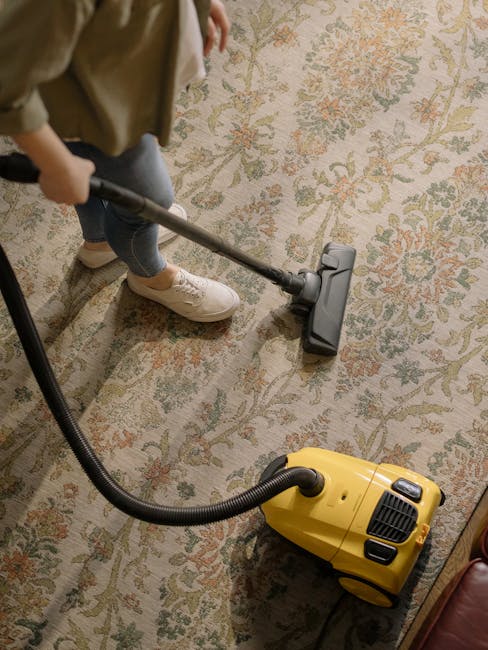
Bentall Centre carpet cleaning guide for shop owners Kingston
Posted on 07/05/2026
Bentall Centre Carpet Cleaning Guide for Shop Owners Kingston
If you run a shop in or around the Bentall Centre, you already know the carpet can make or break a first impression. A clean floor quietly says: this place is cared for, this business is trustworthy, and yes, we've thought about the details. This Bentall Centre carpet cleaning guide for shop owners Kingston is here to help you keep retail carpets looking sharp, lasting longer, and performing better in the day-to-day reality of a busy shopping environment.
Shops in Kingston have their own rhythm. Morning footfall, lunch-time rushes, wet weather coming in from outside, delivery trolleys, coffee spills, the odd scuff from stock crates - it all adds up. The good news? With the right cleaning approach, you can stay ahead of the mess instead of fighting it every Friday afternoon. Below, you'll find a practical, no-nonsense guide covering what matters, how it works, what to avoid, and how to choose the right support when you need it.
For broader service context, you may also find the services overview useful, especially if you're comparing carpet care with office cleaning in Kingston or looking at related soft-furnishings support such as upholstery cleaning in Kingston.
Why Bentall Centre Carpet Cleaning Matters
Retail carpet cleaning is not just about appearances, though let's be honest, appearances matter a lot in a shopping centre. It's about controlling wear, managing hygiene, reducing odours, and protecting the customer experience from the moment someone steps in off the pavement. In a place like the Bentall Centre, where footfall can be heavy and varied, the carpet takes more punishment than most shop owners realise.
Think about what shoppers actually notice. Not every customer will say, "Nice pile recovery on that entrance mat." But they will notice if the floor smells damp, looks patchy, or has a stain right in the path to the till. They may not be able to explain why the shop feels less inviting, but they'll feel it. A tired carpet can subtly make a store seem less premium, less cared for, and less comfortable to spend time in.
There is also a practical side. Dirt particles work like fine sandpaper in carpet fibres. Left alone, they grind down the pile, flatten traffic lanes, and shorten the life of the flooring. That means more frequent replacement costs, which nobody needs. Regular cleaning is, in a very real sense, a maintenance strategy. Not glamorous. Very useful.
For Kingston businesses, there's another layer: your shop is part of a wider commercial environment. If you care about your front-of-house presentation, it makes sense to pay attention to the whole experience, from the floor underfoot to the window display. If you're interested in the local area context too, the article on Kingston's mix of old and new gives a useful sense of the community your customers come from.
How Bentall Centre Carpet Cleaning Works
The exact process depends on the carpet type, level of soiling, access, and drying window, but retail carpet cleaning usually follows a sensible sequence: inspect, pre-treat, clean, extract or rinse, and then dry. Simple on paper, a little more nuanced in practice.
First comes the inspection. This is where a cleaner checks fibre type, traffic patterns, stains, previous treatments, and any risk areas like loose edging or lifted seams. In a shop, that inspection should also include customer flow. Where do people actually walk? Where do they queue? Where do spills happen most often? The answer is often near the entrance, by a drinks counter, or around promotional displays.
Next is pre-treatment. That means applying a suitable solution to break down grease, tracked-in dirt, or sticky residue. A good pre-spray can make the actual clean much more effective. Then comes the main cleaning stage, which might be hot water extraction, low-moisture encapsulation, bonnet cleaning, or a combination of methods. Different carpets need different approaches. A one-size-fits-all method is, frankly, how you end up with over-wet carpet and annoyed staff.
Finally, drying matters more than people expect. In a retail setting, a carpet that stays damp too long can become a slip issue, trap odours, or interrupt trading. A professional will usually plan around opening hours, ventilation, and air movement to get the floor back into service quickly.
For businesses with a broader cleaning schedule, it can help to think of carpet care as part of a wider maintenance plan alongside routine house-style cleaning standards for presentation, or even a more structured office cleaning routine if your team area shares the same flooring approach.
Key Benefits and Practical Advantages
Good carpet cleaning gives you more than a nicer-looking shop. The benefits are practical, measurable in day-to-day trading, and sometimes surprisingly visible within hours.
- Better first impressions: customers tend to judge neatness quickly, often before they consciously notice it.
- Longer carpet life: removing grit and grime reduces fibre wear and helps delay replacement.
- Reduced odours: food, drink, moisture, and general footfall can all leave a stale smell if carpets are ignored.
- Improved hygiene: regular cleaning helps lift the dirt that vacuuming alone will not remove.
- Safer day-to-day operation: cleaner, drier carpets reduce slip and trip concerns in the wrong places.
- More consistent branding: if your store is positioned as premium, family-friendly, or high-touch service, the floor should match.
One thing shop owners sometimes underestimate is how carpet condition influences the pace of trading. A bright, fresh entrance area tends to feel more open. Customers linger a little longer. Staff feel better about the space, too. Not magic. Just a tidy, sensible environment.
There's also a maintenance angle that people love to forget until it's inconvenient: regular cleaning often costs less than emergency remedial work. If a spill sets, a stain oxidises, or a traffic lane becomes permanently grey, the fix can be far more involved than a routine clean would have been.
Who This Is For and When It Makes Sense
This guide is for shop owners, leaseholders, managers, and franchise operators who need to keep commercial carpets presentable in a public-facing environment. If your shop has a carpeted sales floor, fitting room area, office nook, consultation space, or stock-adjacent walkway, this is for you.
It makes especially good sense if you are dealing with any of the following:
- daily or heavy foot traffic
- frequent customer queueing
- food, beverage, or makeup-related stains
- wet-weather dirt from entrances
- smells from lingering moisture or general use
- carpets that look "flat" even after vacuuming
You may also need a deeper clean if you are preparing for a seasonal sale, an audit, a shop refit, a tenancy handback, or a marketing relaunch. Truth be told, a refresh can change the feel of a space more than new signage sometimes does. If you are nearing the end of a lease or managing a move, the guidance on end of tenancy cleaning in Kingston may also be relevant, particularly where responsibilities overlap.
And if your business operates in a multi-purpose venue or event-led retail environment, it may be worth browsing this Kingston guide to event spaces. Different footfall patterns create different carpet challenges. That's just how it goes.
Step-by-Step Guidance
If you want a practical way to manage carpet cleaning without overcomplicating it, use this sequence.
1. Assess the carpet honestly
Walk the floor at opening time and again during peak trade. Look for dirt lines, dull areas, matting, spots near entrances, and any sticky residue. If the carpet has a strong odour, that's a sign the issue is deeper than surface dust.
2. Identify the carpet type
Different fibres respond differently to moisture, heat, and agitation. Wool blends, synthetic commercial fibres, and loop piles all behave in slightly different ways. If you are not sure what you've got, don't guess. Ask. Guessing is how people end up with texture damage, shrinkage, or colour issues.
3. Choose the right method for the space
Busy shops often benefit from low-moisture options when downtime is tight, while deeper extraction can be better for heavily soiled areas that can be closed off. The method should fit the operational reality, not the other way around.
4. Prepare the area
Move portable displays, protect delicate stock, and make sure staff know where access is needed. Small prep decisions save a lot of awkward shuffling later. One of those tiny jobs that becomes a big one if ignored.
5. Pre-treat problem zones
Give extra attention to entrances, till points, fitting rooms, and high-contact spaces. A standard clean often struggles with embedded grease or repeat staining unless those areas are treated first.
6. Clean in a way that supports drying
The floor should be cleaned with enough solution to lift soil, but not so much that you are left waiting half the day for it to dry. Good airflow helps, and so does sensible scheduling outside peak trading hours.
7. Review the result and set the next clean
After the clean, inspect the result in natural light if possible. Then note what worked, what didn't, and where the dirt builds up fastest. That gives you a smarter schedule next time. Simple, but it works.
Expert Tips for Better Results
Here's where a few commercial realities really matter.
Use entrance matting well. A decent mat outside and inside the door can dramatically cut the amount of grit reaching your carpet. If the mats are too small, though, they are mostly decorative. Bigger is better, within reason.
Vacuum more often than you think. In a retail environment, daily vacuuming at minimum is often sensible for high-traffic zones. It won't replace professional cleaning, but it keeps abrasive dirt from settling in.
Treat spills quickly. Coffee, soft drinks, cosmetics, food, and winter slush all behave differently. Blotting is usually better than rubbing, and a hasty mop-up can prevent a stain from becoming a long-term annoyance.
Rotate attention across the floor. A shop entrance might need more frequent treatment than a back corner. Don't clean everything on the same timetable if only one part is taking the real abuse.
Mind ventilation and opening hours. A clean floor that is still damp when the first customers arrive is not ideal. If you can, schedule cleaning for quieter periods, early mornings, or after closing.
Keep a simple log. Nothing fancy. Just note dates, methods used, and problem spots. Over a few months, patterns appear. That's useful when planning budgets or deciding whether the current regime is actually enough.
And a slightly old-school tip: if the carpet still looks tired after cleaning, the issue may be wear rather than dirt. That distinction matters. Sometimes the honest answer is maintenance, not miracle-working.

Common Mistakes to Avoid
Most carpet problems in shops are not caused by a lack of effort. They're caused by the wrong kind of effort.
- Using too much water: over-wetting can lead to long drying times, smells, and possible backing issues.
- Ignoring stain chemistry: not all stains behave the same, so one cleaner or one process may not fit every mark.
- Cleaning only when things look bad: by then, soil may already be deeply embedded.
- Skipping pre-treatment: this often leaves the most stubborn grime behind.
- Not protecting stock and fixtures: water and retail merchandise are not a great pairing.
- Failing to check drying time: a floor can seem fine and still hold moisture below the surface.
- Choosing price over suitability: the cheapest option can become expensive if it damages the carpet or disrupts trading.
A lot of businesses also forget to coordinate cleaning with their wider service routine. If your shop has staff areas, consultation spaces, or customer seating, a joined-up plan often works better than random one-off cleans. For a more rounded approach, some businesses also look at office cleaning support in Kingston and even upholstery care at the same time.
Let's face it, a half-done clean is still a half-done clean.
Tools, Resources and Recommendations
You do not need a warehouse of equipment to manage retail carpet care well, but the right tools make a clear difference.
| Tool or Resource | What It Helps With | Best Use in a Shop Setting |
|---|---|---|
| Commercial vacuum cleaner | Routine dirt removal and daily maintenance | High-traffic zones, entrance paths, till areas |
| Entrance mats | Traps grit and moisture before it reaches the carpet | Front doors and internal transition points |
| Spot cleaning kit | Quick treatment of accidental spills | Behind the counter or in a staff cupboard |
| Professional extraction machine | Deep cleaning and soil removal | Periodic maintenance or seasonal refreshes |
| Low-moisture cleaning system | Faster drying with less disruption | Busy retail environments with limited downtime |
| Cleaning log | Tracks frequency, spots, and outcomes | Helps plan a realistic maintenance schedule |
If you are comparing service options, the company's pricing and quotes page is a practical place to start, especially if you want to understand how scope affects cost rather than just chasing a headline figure. For reassurance on service standards and business practices, their about us page and insurance and safety information are worth a look too.
If you want to explore more general guidance and local insights, the site's blog can also be useful for broader Kingston business and property topics. Not every article will be directly about carpets, but the local context helps.
Law, Compliance, Standards, or Best Practice
For shop owners, carpet cleaning is usually more about best practice than strict legal drama, but there are still sensible compliance points to keep in mind. In the UK, business owners have a general duty to maintain a reasonably safe environment for staff and visitors. That means thinking about slip risks, wet floors, trip hazards, and the safe use of cleaning products.
If a cleaning job leaves a floor damp, it should be managed properly with warning signage and access control where needed. Chemical products should be used according to the manufacturer's instructions, and staff should be trained not to improvise with mixtures they found in the back cupboard. That old "just add more" habit is a classic problem. Doesn't help.
It is also sensible to choose a provider that works in line with clear policies and professional practices. You can review the company's health and safety policy and terms and conditions to understand how responsibility, access, and service scope are handled. If you handle customer data during bookings or invoicing, then privacy matters too, so the privacy policy and payment and security information may also be useful.
For any shop where access needs are a consideration, the accessibility statement can help you understand how the business presents support for different customer needs. And if you ever need to raise an issue, the complaints procedure provides a proper route rather than leaving things unresolved.
In short: keep it safe, documented, and proportionate. That is the practical standard most businesses should aim for.
Options, Methods, or Comparison Table
Different cleaning methods suit different retail scenarios. There isn't one perfect answer, but there is usually a better match for your space, your schedule, and your carpet condition.
| Method | Best For | Pros | Watch Outs |
|---|---|---|---|
| Hot water extraction | Deep soil removal and periodic refreshes | Strong cleaning power, good for embedded dirt | Longer drying time if not managed well |
| Low-moisture encapsulation | Busy shops with limited downtime | Faster drying, less disruption | May need more frequent maintenance |
| Bonnet cleaning | Surface refresh between deeper cleans | Quick, practical, useful for appearance | Not always enough for heavy soiling |
| Spot and stain treatment | Individual spill incidents | Fast response, prevents stains setting | Needs proper product selection |
For many Bentall Centre shops, the best approach is a sensible combination: regular vacuuming, prompt spot treatment, periodic low-moisture maintenance, and occasional deeper cleaning where needed. That gives you a balance between appearance and practicality.
Case Study or Real-World Example
Here's a realistic scenario. A small fashion retailer in a busy Kingston shopping location notices that the carpet near the entrance has started to look darker than the rest of the floor. Nothing dramatic at first. Just a dull strip, a bit of tracking, and a faint stale smell after wet weather. Staff keep vacuuming, but the problem doesn't really shift.
The owner checks the area at different times of day and sees the same pattern: customers step in from the street, water and grit get carried in, and the entrance mat is too short to catch much of it. The store schedules a professional clean after closing on a quieter evening. The cleaner inspects the fibre, pre-treats the traffic lane, uses a method suited to commercial carpet, and focuses on drying support because the shop reopens the next morning.
The difference is not just visual. The room feels fresher. Staff stop worrying about the entrance zone. Customers walk in without that slightly grimy first-step sensation. A modest change, really. But it shifts the whole feel of the shop.
That kind of result is common when the cleaning plan is matched to the business rather than treated like a one-off rescue job. A nice reminder that the best maintenance is often the boring, regular kind.
Practical Checklist
Use this checklist before booking or planning carpet cleaning for your shop.
- Identify the carpet type and current condition
- Pinpoint the worst traffic zones and spill-prone areas
- Decide whether you need a deep clean, maintenance clean, or spot treatment
- Choose a time that reduces disruption to trading
- Move or protect stock, fixtures, and sensitive items
- Ask about expected drying time
- Confirm what preparation is required from your side
- Check whether the provider carries appropriate insurance and safety procedures
- Make sure staff know where cleaned areas are and when they can be used again
- Log the date, method, and any problem areas for future reference
Quick expert summary: the best retail carpet cleaning plan is usually the one that protects trading hours, controls drying, and tackles traffic lanes before they become permanent eyesores. Keep it simple, keep it regular, and don't wait for the carpet to shout at you.
Conclusion
A clean carpet in a shop is not a luxury extra. It is part of how your business presents itself, how comfortable customers feel, and how well your flooring lasts over time. For Bentall Centre shop owners in Kingston, the real win is not just a brighter floor after one appointment. It is a repeatable system that supports trading, protects your premises, and keeps the space feeling cared for day after day.
If you take anything from this guide, let it be this: clean early, clean appropriately, and clean with your business rhythm in mind. That's the difference between maintenance and firefighting. And honestly, the calmer option is usually the better one.
If you are ready to plan a more reliable carpet care routine, it may help to start with a professional review of your current floor condition, traffic levels, and cleaning frequency. The right advice now can save a lot of hassle later.
Get a free quote today and see how much you can save.
Sometimes the smallest improvements make the biggest difference to how a shop feels. This is one of those times.