Canbury Gardens rug cleaning guide for riverside homes Kingston
Posted on 15/05/2026
If you live near the river in Kingston, you already know the charm comes with a few everyday headaches. Damp air, muddy shoes after a walk, open windows in summer, and the odd splash from pets or children can all take a toll on rugs. This Canbury Gardens rug cleaning guide for riverside homes Kingston is designed to help you protect your floor coverings, clean them properly, and decide when a professional clean makes more sense than another round of DIY effort. Truth be told, rugs in riverside homes tend to age differently. They can look fine at a glance, then suddenly feel flat, smell a bit musty, or hold onto grit that has worked its way deep into the pile.
Whether your rug is a wool hall runner, a synthetic living room piece, or a delicate statement rug in a bay window, the basics are the same: remove dry soil first, treat spots carefully, avoid over-wetting, and dry thoroughly. In the sections below, you'll find practical guidance for maintaining rugs in Canbury Gardens and the surrounding Kingston riverside area, plus a simple checklist, comparison table, and answers to common questions.
Why Canbury Gardens rug cleaning guide for riverside homes Kingston Matters
Riverside living is lovely, but rugs in these homes often face a few extra pressures. Moist air can slow drying, a breeze from open doors can carry in fine dust, and foot traffic near entrances tends to bring in grit from the pavement. Add family life, pets, and the occasional muddy weekend stroll along the Thames, and a rug can go from fresh to tired much quicker than you'd expect.
Why does that matter? Because rugs do more than sit there looking nice. They absorb sound, soften a room, and often carry the texture and warmth that make a home feel finished. When they're dirty or damp, the whole room feels off. A clean rug can make a hallway feel brighter, a sitting room feel calmer, and a bedroom feel more restful. A neglected one, on the other hand, can make even a tidy room feel a bit heavy. Small thing, big effect.
For Canbury Gardens homes in particular, rug care also matters because many properties blend older features with modern interiors. That mix is beautiful, but it can mean natural fibres, layered underlays, fitted flooring, and more delicate finishes. You do not want to treat every rug the same way. A quick spray-and-rub approach can do real damage, especially on wool, viscose, antique pieces, or handwoven rugs.
If you are planning broader upkeep around the home, it can help to look at the bigger picture too. General upkeep guidance on domestic cleaning in Kingston upon Thames can sit nicely alongside rug maintenance, especially if you want the whole property to feel fresher rather than just one room.
How Canbury Gardens rug cleaning guide for riverside homes Kingston Works
At its core, rug cleaning follows a simple logic: remove loose debris, identify the fibre and backing, treat stains carefully, clean without saturating the rug, then dry it fully. Easy to say. Not always easy to do well.
The process begins with inspection. A good cleaning routine starts by checking the rug's fibre type, age, dye stability, backing material, and any damage already present. That matters because a wool rug behaves differently from polypropylene, and a handmade rug needs more caution than a machine-made one. If you skip that step, you can make a stain worse or cause colour bleed. Not ideal, to be fair.
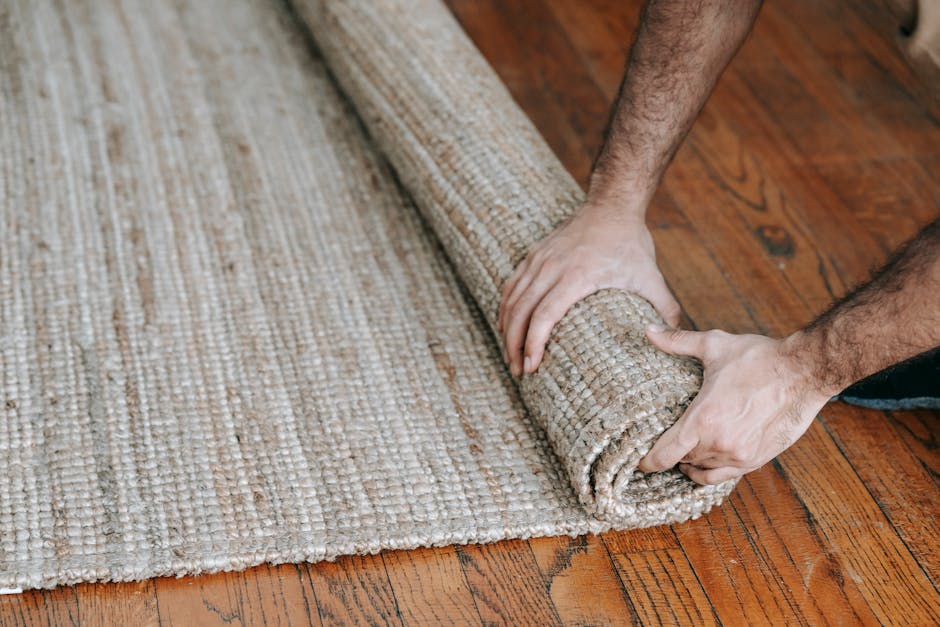
Next comes dry soil removal. This is the bit many people rush. Vacuuming both sides where possible, plus shaking out loose grit outdoors if the rug is suitable, removes abrasive particles that wear the fibres down. In riverside homes, this stage is especially useful because tiny grit and dust often settle in quickly near doors and windows.
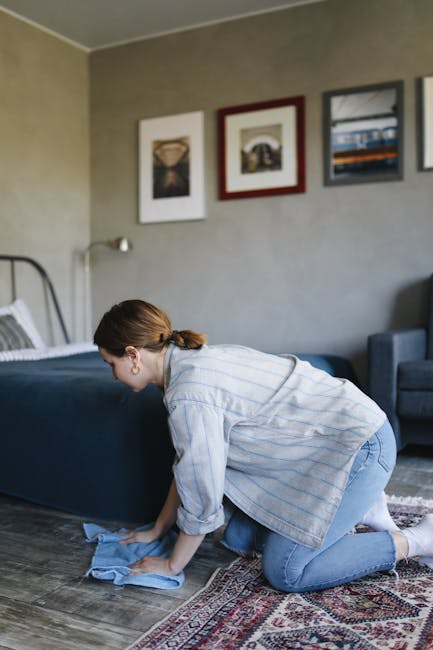
Then comes spot treatment and washing. Light marks may respond to controlled blotting with a mild solution, while deeper soiling usually needs a more thorough clean using the right technique for the rug. The main goal is even cleaning, not soaking. Over-wetting can leave tide marks, distort the backing, or create a lingering damp smell. That last one is very common in homes near the river.
Drying is the final and most underestimated stage. Rugs need airflow, space, and patience. A slightly damp rug left flat in a cool room can develop odours before you notice it. If you have ever walked into a room at 7:30 on a grey morning and caught that faint musty smell near the skirting boards, you'll know exactly what I mean.
Key Benefits and Practical Advantages
A sensible rug cleaning routine offers more than a nicer-looking floor. It helps preserve the rug, improves indoor comfort, and can reduce the need for replacement. That may sound straightforward, but the practical benefits add up quickly.
- Longer rug life: removing grit reduces fibre wear and flattening.
- Better appearance: colours look brighter when embedded dust is gone.
- Improved freshness: less trapped moisture, fewer lingering odours.
- Healthier-feeling rooms: especially useful in homes with pets, children, or frequent visitors.
- Better resale and presentation: useful if you're preparing a property for viewings or tenants.
There is also a practical comfort factor that people often overlook. A clean rug simply makes a room easier to live in. You feel it when you walk barefoot across it. You hear it too; the room sounds a little softer, less dusty, less cluttered somehow. That can matter in a family home where life is busy and the floor is used constantly.
For landlords, sellers, and homeowners planning a broader refresh, rug care can sit alongside other presentation tasks. You may find it useful to browse the site's services overview if you want to see how different cleaning needs fit together across the property. And if you're pricing up a larger clean, the pricing and quotes page is a helpful place to understand what to expect before you commit.
Who This Is For and When It Makes Sense
This guide is for anyone in or around Canbury Gardens who wants rugs to stay clean without risking damage. That includes homeowners, renters, landlords, property managers, and anyone getting a place ready for sale or new tenants. It also makes sense if you've noticed one of those early warning signs: a rug that smells slightly damp, a patch that keeps reappearing after spot cleaning, or fibres that seem dull even after vacuuming.
It's especially relevant for:
- riverside homes with higher humidity or reduced airflow
- properties with children or pets
- older rugs or natural-fibre rugs that need careful handling
- homes with light-coloured rugs in living rooms or hallways
- busy households that bring in regular soil from outdoors
If you are juggling a move, renovation, or tenancy handover, rug care can also be part of a wider plan. For example, some readers combine it with end of tenancy cleaning in Kingston so that soft furnishings, floors, and surfaces are all addressed together. It keeps things simple, which, let's face it, is a relief when moving day is already messy enough.
One more thing: if your rug is antique, handmade, or particularly valuable, it is usually better to get tailored advice before trying anything beyond light vacuuming. The cost of a mistake can be far higher than the cost of a careful professional clean.
Step-by-Step Guidance
Here is a practical approach you can use at home. It is not fancy. It just works, provided you match the method to the rug.
- Check the rug label or fibre type. Look for wool, cotton, jute, synthetic, silk, or a mixed construction. If there's no label, assume the rug needs a cautious approach.
- Vacuum slowly on both sides where safe. Use suction rather than aggressive beater bars on delicate rugs. Go with the pile, not against it.
- Lift the rug and clean underneath. Grit often collects below the rug and keeps transferring back into the fibres. This bit gets missed all the time.
- Test any spot treatment in a hidden area. Even mild cleaning solutions can affect dyes or texture.
- Blot stains, don't scrub them. Press gently from the outside of the stain towards the centre. Scrubbing spreads the mess and frays fibres.
- Use minimal moisture. Apply a little at a time. If the backing gets soaked, drying becomes the hard part.
- Rinse carefully if needed. Residue can attract dirt, so don't leave cleaner sitting in the rug.
- Dry with airflow. Open windows if weather allows, use fans if appropriate, and keep the rug off cold floors until fully dry.
- Brush or groom the pile once dry. This helps the fibres settle and improves the finish.
A useful rule of thumb: if a rug smells worse after cleaning, it probably dried too slowly or retained too much moisture. That does not always mean the clean failed, but it does mean you should reassess the method next time.
For homes with larger living spaces, it can be helpful to align rug cleaning with other household tasks, such as house cleaning in Kingston upon Thames. That way, the room feels truly reset rather than half-finished.
Expert Tips for Better Results
In our experience, the difference between a decent result and a genuinely good one is usually in the details. Not dramatic stuff. Just careful habits repeated consistently.
- Vacuum regularly, even when the rug looks clean. Dust settles before you notice it.
- Rotate the rug every few months. This evens out sun exposure and foot traffic, especially near bright river-facing windows.
- Use entrance mats. A little grit trapped at the door saves a lot of wear inside.
- Act fast on spills. The first five minutes matter more than people think.
- Keep humidity sensible. Good ventilation helps rugs stay fresher, especially after cleaning.
- Be cautious with home remedies. Vinegar, bicarb, and shampoo all have their place, but they are not universal fixes.
One practical tip that sounds almost too simple: if you have a pet, check the underside of the rug more often than the top. Pets sometimes leave a small mess that looks harmless from above but lingers underneath. A quick sniff test is not glamorous, but it saves headaches later. There, said it.
If you are comparing professional options for soft furnishings too, you may also find the upholstery cleaning in Kingston page useful, especially if rugs, sofas, and chairs all need attention at once. That tends to be the case in real homes, because one thing rarely gets dirty on its own.
Common Mistakes to Avoid
Most rug problems begin with good intentions and a bit of haste. Fair enough. Everyone wants a quick fix. But rugs are less forgiving than many people assume.
- Scrubbing stains hard: this can spread the mark and damage the pile.
- Using too much water: a damp rug is not a clean rug if it stays wet for too long.
- Ignoring fibre differences: wool, silk, jute, and synthetics all need different handling.
- Cleaning without testing: hidden dye movement can become visible very quickly.
- Drying flat in a poorly ventilated room: this raises the risk of odour and mildew.
- Overusing powders or scented products: they can leave residue and mask, rather than solve, the problem.
Another mistake is waiting too long. Once dirt has settled into the base of the fibres, cleaning becomes more difficult and the rug can start to look worn even if the fibres are still structurally sound. A rug does not usually fail all at once. It just gets a bit more tired, a bit more flattened, a bit less itself.
If you want to understand how a broader property clean may be coordinated, the carpet cleaning in Kingston service page can help you see how floor care fits into a larger home-cleaning plan.
Tools, Resources and Recommendations
You do not need a mountain of equipment to care for a rug properly. A few reliable basics are enough for routine maintenance, and a more specialised approach only when the rug truly needs it.
| Tool or resource | What it helps with | Best for |
|---|---|---|
| Vacuum with adjustable suction | Removing dry soil safely | Routine maintenance on most rug types |
| Soft brush or rug groomer | Lifting the pile after drying | Wool and synthetic rugs |
| Clean white cloths | Blotting spills without colour transfer | Spot treatment |
| Gentle pH-neutral cleaner | Controlled stain treatment | Many household rugs, after spot testing |
| Fans or natural airflow | Speeding up drying | Any rug that has been damp cleaned |
For readers who prefer to hand the job over, choose a provider that can explain the method clearly, not just promise a quick turnaround. Ask how they handle fibre testing, drying, delicate rugs, and stubborn odours. If they can answer calmly and plainly, that is usually a good sign. If they talk in circles, maybe not.
You may also want to review the company's insurance and safety information before booking any cleaning work in the home. It is a small step that helps you feel more confident about who is handling your furnishings.
Law, Compliance, Standards, or Best Practice
For most household rug cleaning, the main concern is best practice rather than a specific legal rule. Still, a trustworthy service should work carefully around health, safety, and property protection. In the UK, that means treating cleaning chemicals responsibly, using equipment safely, and avoiding damage to floors, walls, and soft furnishings.
If you are hiring a cleaner or contractor, sensible expectations include:
- clear communication about methods and limitations
- appropriate care with delicate or valuable rugs
- safe handling of cleaning products and water use
- respect for your home, contents, and privacy
- transparent service terms and complaints routes where relevant
Best practice also means being honest about what can and cannot be removed. Some stains, especially old dye transfer, bleach damage, or wear marks, may improve rather than disappear. A good cleaner will say that plainly instead of making impossible promises. That honesty matters.
If you want to understand the standards behind a provider's working approach, the site's health and safety policy and terms and conditions pages are worth a look. They help set clear expectations, which is always better than guessing.
Options, Methods, or Comparison Table
Different rugs and different levels of soiling call for different methods. Here is a simple comparison to help you decide what is sensible.
| Method | Best for | Strengths | Watch-outs |
|---|---|---|---|
| Routine vacuuming | Most rugs, weekly care | Easy, low-risk, prevents grit build-up | Won't remove deep stains or odours |
| Spot cleaning | Fresh spills and small marks | Fast and targeted | Can spread stains if overdone |
| Hand cleaning with limited moisture | Delicate or natural rugs | More control than heavy soaking | Needs patience and testing |
| Professional rug cleaning | Soiled, valuable, or awkward rugs | Expert handling, better drying control | Costs more than DIY |
| Full home clean with rug care included | Busy households, moves, seasonal refreshes | Efficient, consistent, less admin | Needs clear scope and timing |
For some homes, a full-service approach is the neatest option. If that sounds like you, the house cleaning Kingston upon Thames page can help frame how rug care fits into a wider clean. For others, the right answer is simply a careful vacuum, a quick stain check, and leaving the rest alone. Sometimes restraint is the smartest move.
Case Study or Real-World Example
Here is a realistic example based on the kind of situation that comes up often in riverside homes. A family in Canbury Gardens had a medium-sized wool rug in a sitting room facing the garden. The room looked tidy, but the rug had started to feel a bit flat and smelled slightly musty after a wet week. Nothing dramatic. Just enough to notice when you walked in.
They first vacuumed both sides, then lifted the rug to clean the floor beneath. That alone made a difference, because grit had collected under the edges. A small tea mark near the centre was blot-treated after a spot test in a corner, and the rug was then dried with improved airflow from open windows and a fan. The key decision was to keep moisture low. No soaking, no rushing, no heroic scrubbing.
After drying, the rug looked brighter and felt softer underfoot. The smell faded. The household also started using an entrance mat and rotating the rug more regularly, which meant the improvement lasted. That is usually how good rug care works in the real world: one careful clean, then small habits that stop the problem returning.
If you are looking at Kingston more broadly and want a sense of local context, the blog archive can be a useful place to explore nearby home-life topics, including where old meets new in Kingston London and local residents' views on living here. Different, yes, but it gives a nice feel for the area and the homes people keep.
Practical Checklist
Use this checklist before, during, or after rug cleaning. It is simple on purpose.
- Identify the rug fibre and construction
- Vacuum slowly and thoroughly
- Check both sides for grit and damage
- Test any cleaner in a hidden area
- Blot stains gently, do not scrub
- Use as little moisture as possible
- Improve airflow while the rug dries
- Keep the rug off cold or damp floors until fully dry
- Rotate the rug regularly to even out wear
- Review whether a professional clean would be safer for the next round
Expert summary: if your rug is valuable, delicate, or showing signs of moisture retention, the safest approach is usually careful maintenance now and professional support when needed. That saves time, money, and a fair bit of stress later on.
Conclusion
The best way to look after rugs in Canbury Gardens is not to treat them as afterthoughts. In riverside homes, rugs work hard. They catch grit, soften sound, add warmth, and make a room feel lived-in rather than bare. When they are cleaned properly, they quietly do their job better. When they are neglected, they drag the whole room down a notch.
So keep it simple. Vacuum regularly, deal with spills quickly, avoid heavy soaking, and let rugs dry fully. If a rug is delicate, valuable, or already showing signs of damage, pause and choose caution over enthusiasm. That is usually the wiser move.
If you'd like broader help beyond rugs, it may be worth exploring the wider Kingston cleaning pages and related local guides on the site. A tidy home is rarely about one big gesture; it's more often a series of small, sensible ones.
Get a free quote today and see how much you can save.
And if you're the kind of person who notices the small things, you'll know the difference a clean, well-kept rug makes the moment you step into the room.