Common carpet cleaning mistakes Kingston landlords avoid
Posted on 18/06/2026
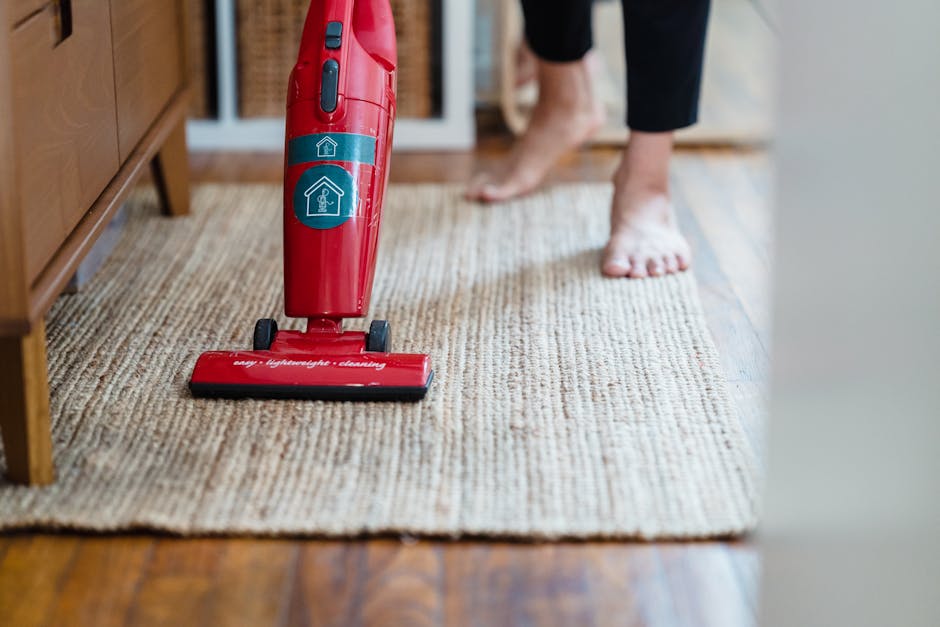
If you let property in Kingston, carpet care is one of those jobs that looks simple right up until it isn't. A quick hoover, a rented machine, maybe a splash of cleaner on a stubborn mark... and suddenly the pile is left flat, the stain spreads, or a smell lingers after the tenants have moved out. Common carpet cleaning mistakes Kingston landlords avoid are usually not dramatic mistakes. They're small oversights that add up: using the wrong product, cleaning too late, or missing the details that matter at check-out.
That matters because carpets shape first impressions fast. In a rental, they also affect wear, maintenance costs, and how smoothly a tenancy ends. This guide walks through the errors landlords most often sidestep, why they matter, and the practical process that tends to deliver a cleaner result without creating extra headaches. It's written for real-world landlords, not perfectionists with all the time in the world.
Why Common carpet cleaning mistakes Kingston landlords avoid Matters
For landlords, carpet cleaning is never just about appearance. It affects turnaround times, dispute risk, tenant satisfaction, and the general condition of the property. In Kingston, where rental homes can range from compact flats to older terraces and family houses, carpets often face heavy everyday use. Shoes, pet hair, food spills, damp weather, hallway grit from winter walks by the river... it all gets embedded. Rather inconvenient, really.
When landlords make avoidable cleaning errors, the problems tend to appear later. A stain might look lighter on the day, then reappear once the fibres dry. Over-wetting can leave a sour smell. Using bleach on the wrong fibre can cause permanent colour loss. And if the property is being handed over between tenancies, those mistakes can create extra cleaning costs and awkward conversations with tenants or letting agents.
There's also a practical management angle. A landlord who keeps carpets in good condition usually spends less over time than one who only reacts when the carpet looks bad. That means fewer emergency cleans, fewer replacements, and less chance of a tired-looking property undermining its rentability. If you want broader context on maintaining a property asset over time, the Wise Kingston property investment guide is a useful companion read.
Key takeaway: the best carpet cleaning decisions are usually the boring ones. Routine, careful, and matched to the carpet type. Not flashy. Not rushed. Just sensible.
How Common carpet cleaning mistakes Kingston landlords avoid Works
The phrase sounds like a checklist, but in practice it means building a cleaning approach that fits the property, the carpet, and the tenancy stage. The right approach normally starts with inspection. You look at fibre type, traffic areas, visible stains, odours, and any previous repairs or wear. Then you choose the right method, the right moisture level, and the right timing.
That timing piece is easy to underestimate. For example, cleaning too close to a move-in or check-out can leave carpets damp when people need to enter. Cleaning too late can make stains settle in and become harder to remove. In a busy rental cycle, landlords often need to plan carpet cleaning around inventory checks, viewings, and maintenance visits. It's a small logistics issue, but it changes the result more than people expect.
Good carpet cleaning also works as part of a wider cleaning plan rather than as a one-off panic response. If you are comparing broader home upkeep options, the service pages for end of tenancy cleaning in Kingston and domestic cleaning Kingston upon Thames can help you understand how carpet care fits into the rest of the job.
In plain English, it works best when landlords treat carpet cleaning like maintenance, not a rescue mission.
Key Benefits and Practical Advantages
Getting carpet cleaning right pays off in ways that are easy to miss if you only think about surface appearance.
- Better first impressions: clean, fresh carpets make the whole property feel cared for, even before furniture is in place.
- Lower dispute risk: documented cleaning and sensible timing can reduce arguments over deposits or cleaning standards.
- Longer carpet life: the fibres last longer when dirt is removed before it grinds in like sandpaper underfoot.
- Less odour retention: this matters more than many landlords realise, especially in pet-friendly or high-turnover lets.
- Faster re-let readiness: properly dried carpets mean fewer delays before new tenants can move in.
- Better value over time: regular maintenance often costs less than repeated deep restorations or early replacement.
There's also a softer benefit: confidence. When you know the carpets have been handled properly, you spend less time worrying about hidden damage or awkward complaints later. That peace of mind is worth a fair bit, honestly.
If you're comparing cleaning quality across different parts of the property, you may also find the Kingston-specific guide on carpet cleaning around Kingston Bridge useful for thinking about homes and mixed-use spaces.
Who This Is For and When It Makes Sense
This guide is mainly for landlords, but it's also useful for letting agents, property managers, and accidental landlords who have one property and a long to-do list. If you manage a flat above a shop, a family house near the riverside, or a student-style let with heavier wear, carpet cleaning choices matter in slightly different ways.
It makes the most sense when:
- a tenancy is ending and you want the property ready for the next occupant;
- there has been a spill, pet accident, or strong odour;
- the carpets look dull but not yet damaged;
- you are preparing for viewings or a mid-tenancy inspection;
- you want to avoid avoidable replacement costs;
- you need to compare professional cleaning with doing it in-house.
There's a difference between cleaning to impress and cleaning to protect the asset. Landlords often need both, but not always at the same moment. That's where judgement comes in.
If your property also needs furniture attention, it may help to look at upholstery cleaning in Kingston as part of the same maintenance plan. One grubby sofa can make clean carpets look strangely unfinished. Funny how that happens.
Step-by-Step Guidance
Here's a practical way to approach carpet cleaning without overcomplicating it.
- Inspect the carpet properly. Check high-traffic lanes, corners, under furniture, and any sticky or discoloured patches. Do not just scan the centre of the room.
- Identify the carpet type if possible. Wool, synthetic, and blended carpets respond differently to moisture, agitation, and chemicals.
- Test a small area first. This is basic, but it saves plenty of regret. Especially with coloured fibres or older carpets.
- Vacuum thoroughly before any wet cleaning. Dry soil is easier to remove first. Once it turns muddy, the job gets harder.
- Treat spots individually. Use the least aggressive method that could reasonably work. Tea stain, ink, grease, pet marks-they do not all behave the same.
- Choose the right cleaning method. Hot water extraction, low-moisture cleaning, or targeted spot cleaning may all be appropriate depending on the carpet.
- Control moisture. Over-wetting is one of the biggest landlord mistakes. More water is not more cleaning.
- Allow enough drying time. Open windows if safe, use ventilation, and avoid moving tenants in before carpets are fully dry.
- Document the result. Before-and-after photos help, especially if you manage multiple properties or anticipate deposit discussions.
- Schedule follow-up maintenance. A clean carpet stays presentable longer when vacuuming and stain response are routine, not random.
That sequence sounds a little neat on paper, I know. In reality, you may bounce back and forth between steps. Still, the order helps you avoid the expensive mistakes.
Expert Tips for Better Results
These are the small things that usually separate an average clean from one that genuinely lasts.
1. Match the method to the fibre
Wool carpets often need more careful temperature and moisture control than synthetic ones. If you treat every carpet the same, you are taking a gamble. Not a huge one every time, but enough to matter over a portfolio.
2. Focus on traffic lanes first
Hallways, entrances, and the area beside sofas usually hold the most soil. Clean these well and the room often looks much better, even before you touch the rest.
3. Deal with odour separately from stains
Landlords sometimes assume a stain remover will solve smell. It often won't. Odours can sit deep in the pile or backing. In damp weather, this becomes more noticeable, especially in ground-floor lets.
4. Don't hide damage with more cleaning
If the carpet is worn, patchy, or permanently marked, repeated aggressive cleaning can make it worse. Sometimes the honest answer is repair, partial replacement, or a shorter-term maintenance plan.
5. Keep the process calm and practical
Truth be told, rushed cleans usually create more work. A landlord who slows down for ten minutes to check fibre type and drying time often saves themselves a much longer headache later.
For landlords who like a wider view of cleaning logistics and costs, avoiding hidden cleaning charges in Kingston home cleans is a useful reminder to ask the right questions up front.

Common Mistakes to Avoid
This is the section most readers come for, so let's keep it practical.
Using too much water
It feels intuitive to use more water on a dirty carpet. Unfortunately, excess water can drive dirt deeper, slow drying, encourage smells, and leave wicking stains that reappear later. If the carpet is still damp the next day, that's already a warning sign.
Scrubbing stains too hard
Hard scrubbing can distort fibres and spread the stain. A blotting or controlled lifting motion is usually safer. The rougher the scrubbing, the more likely you are to damage the pile. Simple as that.
Using the wrong chemical
Bleach, strong alkalis, or general-purpose cleaners can strip colour or leave residues that attract more dirt. Always assume the carpet is more delicate than you hoped. It probably is.
Waiting until checkout day
Leaving carpet cleaning until the final morning is risky. If the machine underperforms or a stain resurfaces, there is no breathing room. Landlords who leave a little time before inspection usually have an easier end-of-tenancy handover.
Ignoring the underlay and odour source
Sometimes the surface looks fine, but the smell keeps coming back because the underlay or padding has absorbed moisture. You can't clean your way out of every problem. Sometimes that's just life with carpets.
Assuming a quick vacuum is enough
Vacuuming is essential, but it is not a full clean in a rental with traffic wear or staining. A lot of landlords under-clean because the carpet "doesn't look too bad." Then they notice it under daylight. Morning light is ruthless.
Not checking for colourfastness
Older carpets or textured pile can react badly to certain products. A tiny test patch is a small step that prevents a very visible mistake.
Forgetting to document condition before and after
If there is ever a disagreement, photos and notes are your best friend. Not glamorous, but useful. Very useful.
Tools, Resources and Recommendations
You do not need a van full of equipment to clean carpets properly, but the right tools make a genuine difference.
- Good-quality vacuum cleaner: strong suction and clean filters matter more than fancy branding.
- Microfibre cloths: useful for blotting and controlled spot work.
- Neutral or fibre-safe spot cleaner: always better than reaching for something harsh.
- Soft brush or carpet rake: helps lift fibres gently after drying.
- Fans or ventilation: especially helpful in cooler months when windows alone are not enough.
- Protective gloves: sensible when handling cleaning products.
If you are weighing up whether to use a professional cleaner or tackle the work yourself, it helps to compare the property type, the level of staining, and the time available before the next tenancy. For a fuller overview of what professional cleaning services cover, see the services overview.
For landlords who want a cleaner reading of costs and what is included, the page on pricing and quotes is worth a look before making decisions. No one likes surprises when a turnover is already busy enough.
If you'd like to understand the business behind the service a little better, about the team gives useful context on approach and standards.
Law, Compliance, Standards, and Best Practice
Landlords in the UK need to think about carpet cleaning alongside broader property obligations, tenancy terms, and general safety. The exact position depends on the agreement, the condition of the carpet, and what was present at move-in. That means there is no one-size-fits-all rule here. A cautious, well-documented approach is usually the safest.
In practice, best behaviour looks like this:
- clean in line with the tenancy agreement and inventory evidence;
- avoid charging for ordinary wear and tear as if it were damage;
- keep records of what was done and when;
- use safe products and sensible drying methods;
- be careful with electrical equipment and moisture around skirting, sockets, and thresholds;
- ensure the property is safe for the next occupant before handover.
For landlords, compliance is not just about legal wording. It's about being fair, consistent, and able to show what happened if questions arise. That's where simple records and a professional standard of care make life easier. If you are handling a property where health and safety matters are front of mind, the health and safety policy and insurance and safety pages are useful reference points.
There are also practical business basics in the background: payment clarity, terms, and how disputes are handled. Those details are not exciting, but they matter when you are coordinating cleaning across tenancies. If you want to understand service boundaries, the terms and conditions and complaints procedure pages are there for exactly that reason.
Options, Methods, or Comparison Table
Here is a simple comparison of the most common approaches landlords consider.
| Method | Best for | Pros | Watch-outs |
|---|---|---|---|
| Vacuuming only | Light upkeep between tenancies | Fast, cheap, easy to schedule | Won't remove deep dirt, odour, or staining |
| DIY spot cleaning | Small fresh marks | Good for quick action, low cost | Easy to over-wet or spread the stain |
| Rental machine cleaning | Moderate surface dirt | More intensive than vacuuming | Can be messy, slow to dry, and inconsistent |
| Professional deep cleaning | End of tenancy, heavy traffic, stubborn stains | Better control, better finish, usually faster drying when done properly | Costs more upfront, so you need to schedule it well |
The right method depends on the carpet's condition and what the landlord is trying to achieve. If the goal is a smooth check-out and a fresh start for the next tenant, professional cleaning is often the least stressful route. If it's a small mark in an otherwise healthy carpet, targeted treatment may be enough.
For property managers dealing with mixed-use or busier settings, the Bentall Centre carpet cleaning guide and the Canbury Gardens rug cleaning guide offer helpful local context on different cleaning needs.
Case Study or Real-World Example
Here's a realistic scenario. A Kingston landlord is preparing a two-bedroom flat for new tenants. The carpet in the living room looks "fine enough" at first glance, but there are traffic lanes near the sofa, a tea mark by the window, and a faint pet smell that becomes more obvious in the evening when the room warms up.
The first instinct is to use a stronger cleaner and scrub the visible mark. That lightens the stain a bit, but the patch dries unevenly and leaves a noticeable halo. The landlord then adds more water, hoping to even it out. The result: longer drying time and a smell that lingers for two days. Not disastrous, but definitely not ideal.
A better approach would have been:
- vacuum thoroughly first;
- test a small area with the chosen cleaner;
- spot treat gently;
- use controlled moisture only;
- allow time for drying before viewings;
- check whether the smell required a separate deodorising step.
In a situation like this, the cost of a careful clean is usually less painful than the cost of delay, rework, or a tense conversation with the next tenant. Sometimes the simplest fix is also the calmest one.
Practical Checklist
Use this before you clean a rental carpet in Kingston.
- Have I checked the carpet type and visible wear?
- Have I vacuumed thoroughly, including edges and corners?
- Have I tested the cleaning solution in a hidden spot?
- Am I treating stains individually rather than flooding the whole area?
- Have I avoided harsh scrubbing?
- Is the room ventilated and safe for drying?
- Do I have enough time before tenants move in or out?
- Have I photographed the carpet before cleaning?
- Have I checked for lingering odours after drying?
- Do I know when the problem is beyond DIY and needs a deeper clean?
If you can tick most of those off, you are already ahead of many landlords. That's the honest truth.
Get a free quote today and see how much you can save.
Conclusion
The landlords who avoid the biggest carpet cleaning headaches are rarely the ones doing the most. They're the ones doing the basics well: planning ahead, choosing the right method, using the right amount of moisture, and paying attention to the carpet in front of them rather than the one they wish they had.
That's really the heart of Common carpet cleaning mistakes Kingston landlords avoid. It's not about chasing perfection. It's about protecting the property, keeping tenancies smooth, and avoiding those unnecessary little problems that always seem to appear at the worst possible time.
If you keep the process sensible, the results tend to be calmer, cleaner, and easier to manage. And in lettings, calmer is underrated.


